
Introduction
In the face of growing urban populations and increasing environmental concerns, the need for sustainable transportation solutions has never been more pressing. Green public transit offers a viable alternative to traditional transportation methods, reducing greenhouse gas emissions, improving air quality, and enhancing the overall quality of life in cities. This article explores the various forms of green public transit, their benefits, and the challenges that need to be addressed to fully realize their potential.
Forms of Green Public Transit
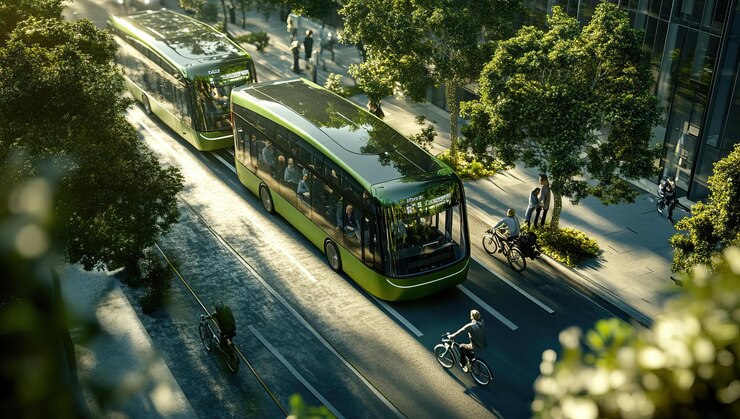
- Electric Buses Electric buses are becoming increasingly popular in urban areas due to their low emissions and cost-effectiveness. These buses use electric motors powered by batteries, which can be charged at designated stations. Electric buses not only reduce greenhouse gas emissions but also lower operating costs compared to diesel buses. Advances in battery technology have improved their range and reduced charging times, making them a practical choice for urban transit systems.
- Solar-Powered Commuter Trains Solar-powered commuter trains utilize solar panels to generate electricity, reducing reliance on fossil fuels. These trains can significantly lower carbon footprints and operating costs, making them an attractive option for cities looking to transition to sustainable transportation. The integration of renewable energy sources like solar power helps to create a more resilient and environmentally friendly transportation infrastructure.
- Hybrid Ferryboats Hybrid ferryboats combine traditional fuel engines with electric motors, reducing marine emissions by up to 25%. These vessels require less maintenance and offer cost savings over time. By incorporating hybrid technology, ferry services can operate more efficiently while minimizing their environmental impact.
- Green Light Rail Systems Green light rail systems incorporate eco-friendly infrastructure and carbon pricing to reduce emissions. These systems use electric-powered trains that run on dedicated tracks, providing a fast and reliable mode of transportation. Light rail systems can be integrated with other public transit options, creating a seamless and sustainable transportation network.
- Eco-Friendly Trolleybuses Trolleybuses, which run on overhead electric lines, are another green public transit option. These buses produce zero emissions at the point of use and are highly energy-efficient. Trolleybuses can be an excellent choice for cities looking to reduce air pollution and improve urban air quality.
- Electric Bike-Sharing Programs Electric bike-sharing programs offer a zero-emission transportation alternative for short trips. These programs provide access to electric bikes at various stations throughout the city, encouraging residents to choose sustainable transportation for their daily commutes. Bike-sharing programs can reduce the number of cars on the road, leading to lower emissions and less traffic congestion.
- Hydrogen Fuel Cell Buses Hydrogen fuel cell buses represent the cutting edge of green public transit technology. These buses use hydrogen fuel cells to generate electricity, producing only water as a byproduct. Hydrogen fuel cell buses offer zero-emission operations and have the potential to revolutionize urban transportation. However, the widespread adoption of this technology is still in its early stages, with challenges related to infrastructure and cost.
Benefits of Green Public Transit
- Environmental Impact Green public transit options significantly reduce greenhouse gas emissions compared to traditional fossil fuel-dependent vehicles. Public transit produces 76% less greenhouse gas emissions per passenger mile than a single-occupancy vehicle. By transitioning to green public transit, cities can make substantial progress towards reducing their carbon footprints and combating climate change.
- Health Benefits Reducing emissions from transportation also leads to improved air quality, which has direct benefits for public health. Lower levels of air pollution can reduce the incidence of respiratory diseases, cardiovascular problems, and other health issues related to poor air quality. Green public transit contributes to creating healthier and more livable urban environments.
- Economic Advantages Green public transit can lead to cost savings for both transit agencies and passengers. Electric and hybrid vehicles have lower operating and maintenance costs compared to traditional diesel vehicles. Additionally, investments in green public transit infrastructure can stimulate economic growth by creating jobs and improving access to employment opportunities.
- Social Equity Access to reliable and affordable public transit is crucial for social equity. Green public transit systems can provide affordable transportation options for all residents, regardless of income level. By improving connectivity and accessibility, green public transit can help reduce social inequalities and promote inclusive urban development.
Challenges and Solutions
- Infrastructure Development One of the main challenges in implementing green public transit is the need for significant infrastructure development. This includes building charging stations for electric vehicles, creating dedicated lanes for buses and light rail, and installing overhead lines for trolleybuses. Governments and transit agencies need to invest in planning and construction to support the growth of green public transit systems.
- Technological Advancements The widespread adoption of green public transit technologies requires continuous advancements in battery technology, fuel cell development, and renewable energy integration. Research and development efforts should focus on improving the efficiency, range, and cost-effectiveness of these technologies to make them more accessible and practical for transit agencies.
- Public Awareness and Acceptance Public awareness and acceptance are critical for the success of green public transit initiatives. Transit agencies should engage in public education campaigns to highlight the benefits of green public transit and encourage its use. Additionally, improving the overall quality and reliability of public transit services can help increase ridership and acceptance.
- Policy and Regulation Effective policies and regulations are essential for promoting green public transit. Governments can implement incentives such as subsidies for transit agencies, tax breaks for green vehicle manufacturers, and stricter emissions standards for transportation.
Conclusion
Green public transit is a crucial component in the fight against climate change and the pursuit of sustainable urban development. By reducing greenhouse gas emissions, improving air quality, and offering economic and social benefits, green public transit systems can significantly enhance the quality of life in cities. While challenges remain, the potential rewards of investing in green public transit are substantial. Cities that prioritize sustainable transportation will not only contribute to a healthier planet but also create more livable, equitable, and prosperous communities for their residents.
FAQ
- What are the main types of green public transit?
- The main types of green public transit include electric buses, solar-powered commuter trains, hybrid ferryboats, green light rail systems, eco-friendly trolleybuses, electric bike-sharing programs, and hydrogen fuel cell buses.
- How does green public transit reduce greenhouse gas emissions?
- Green public transit reduces greenhouse gas emissions by using electric motors, solar power, or hydrogen fuel cells instead of traditional fossil fuels. These technologies produce fewer or no emissions at the point of use, significantly lowering the carbon footprint of transportation.
- What are the economic benefits of green public transit?
- Green public transit can lead to cost savings for transit agencies and passengers through lower operating and maintenance costs. Additionally, investments in green public transit infrastructure can stimulate economic growth by creating jobs and improving access to employment opportunities.
- How can cities encourage the use of green public transit?
- Cities can encourage the use of green public transit through public education campaigns, improving the quality and reliability of transit services, and implementing policies such as congestion pricing and dedicated transit lanes.
- What are the challenges in implementing green public transit?
- Challenges include the need for significant infrastructure development, advancements in technology, public awareness and acceptance, and supportive policies and regulations. Addressing these challenges requires coordinated efforts from governments, transit agencies, and the public.