
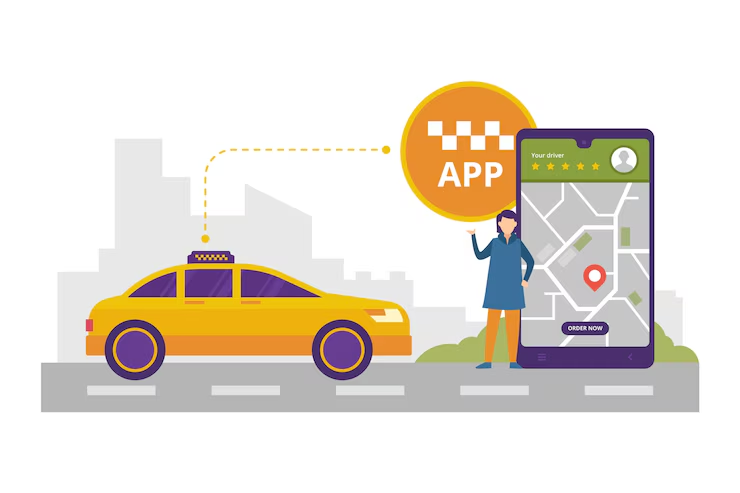
In the past decade, ride-sharing apps have revolutionized the way we travel, offering a convenient and cost-effective alternative to traditional transportation methods. From hailing a ride with the tap of a button to splitting fares with friends, these apps have become an integral part of modern urban life. In this article, we’ll explore the rise of ride-sharing apps, their benefits, challenges, and the future of this transformative industry. Whether you’re a frequent user or just curious about the impact of ride-sharing, this guide will provide valuable insights into the world of on-demand transportation.
The Rise of Ride-Sharing Apps
A Brief History
Ride-sharing apps emerged in the early 2010s as a response to the growing need for flexible and affordable transportation options in urban areas. Companies like Uber and Lyft pioneered the concept, leveraging smartphone technology and GPS to connect riders with drivers in real-time. The idea quickly gained traction, and by 2015, ride-sharing had become a global phenomenon, with millions of users in cities around the world.
How Ride-Sharing Apps Work
Ride-sharing apps operate on a simple premise: they match riders with drivers who use their personal vehicles to provide rides. Users download the app, create an account, and input their destination. The app then uses GPS to locate nearby drivers and provides an estimated fare and arrival time. Once a driver accepts the request, the rider can track the vehicle’s progress and communicate with the driver through the app. Payment is handled seamlessly through the app, eliminating the need for cash transactions.
Benefits of Ride-Sharing Apps
Convenience and Accessibility
One of the primary advantages of ride-sharing apps is their unparalleled convenience. Users can request a ride from virtually anywhere, at any time, without the need to wait for public transportation or hail a taxi. This accessibility is particularly beneficial for individuals with mobility challenges, those traveling late at night, or those in areas with limited public transit options.
Cost-Effectiveness
Ride-sharing often proves to be a more affordable option compared to traditional taxis. Many apps offer various pricing tiers, including standard rides, shared rides, and luxury options, allowing users to choose the service that best fits their budget. Additionally, features like fare splitting enable multiple passengers to share the cost of a ride, further reducing expenses.
Environmental Impact
Ride-sharing apps have the potential to reduce the number of personal vehicles on the road, leading to lower emissions and less traffic congestion. Shared rides, in particular, promote carpooling, which can significantly decrease the carbon footprint of individual trips. Some companies are also investing in electric and hybrid vehicles to further enhance their environmental sustainability.
Economic Opportunities
Ride-sharing apps have created new economic opportunities for drivers, providing flexible employment options for millions of people worldwide. Drivers can set their own schedules, choose where they work, and earn income based on their availability. This flexibility is particularly appealing to those seeking part-time or supplemental income.
Challenges and Controversies
Regulatory Issues
The rapid growth of ride-sharing has led to numerous regulatory challenges. Cities and governments around the world have struggled to adapt existing transportation regulations to accommodate these new services. Issues such as driver licensing, vehicle safety standards, and insurance requirements have been at the forefront of regulatory debates. Some cities have imposed strict regulations or even banned ride-sharing services temporarily, citing concerns over public safety and fair competition.
Safety and Security
Ensuring the safety and security of both riders and drivers is a top priority for ride-sharing companies. While these apps incorporate various safety features, such as background checks, GPS tracking, and in-app emergency buttons, incidents of crime and misconduct still occur. Companies are continually working to improve safety protocols and address any concerns raised by users.
Impact on Traditional Transportation
The rise of ride-sharing has had a significant impact on traditional transportation industries, particularly taxis and public transit. Taxi drivers have faced increased competition, leading to a decline in their earnings and job security. Public transit systems have also seen changes in ridership patterns, with some studies suggesting that ride-sharing may reduce the use of public transportation in certain areas. This has prompted discussions about the need for better integration between ride-sharing and public transit to create a more cohesive transportation ecosystem.
The Future of Ride-Sharing
Technological Innovations
As technology continues to advance, ride-sharing apps are likely to incorporate new features and capabilities. For example, autonomous vehicles could transform the ride-sharing experience, offering even greater convenience and efficiency. Additionally, integration with smart city infrastructure may enable seamless transitions between different modes of transportation, such as ride-sharing, public transit, and bike-sharing.
Expansion into New Markets
Ride-sharing companies are constantly exploring new markets and expanding their services. This includes not only entering new cities and countries but also diversifying their offerings to include services like food delivery, package delivery, and even electric scooter rentals. By leveraging their existing technology and user base, ride-sharing companies are well-positioned to become major players in the broader mobility and logistics sectors.
Sustainability Initiatives
In response to growing environmental concerns, ride-sharing companies are increasingly focusing on sustainability initiatives. This includes transitioning to electric and hybrid vehicles, promoting carpooling, and investing in renewable energy sources. By prioritizing sustainability, ride-sharing companies can reduce their environmental impact and contribute to a greener future.
Conclusion
Ride-sharing apps have undeniably transformed urban mobility, offering unparalleled convenience, cost-effectiveness, and flexibility. While they have faced numerous challenges and controversies, the benefits they provide to users and the economy are substantial. As technology continues to evolve and regulatory frameworks adapt, ride-sharing is poised to play an even more significant role in the future of transportation. By embracing innovation, prioritizing safety, and focusing on sustainability, ride-sharing companies can continue to shape the way we move and interact in our cities.
FAQ
How do I use a ride-sharing app?
To use a ride-sharing app, download the app from your device’s app store, create an account, and input your destination. The app will locate nearby drivers and provide an estimated fare and arrival time. Once a driver accepts your request, you can track the vehicle’s progress and communicate with the driver through the app. Payment is handled seamlessly through the app.
Are ride-sharing apps safe?
Ride-sharing apps incorporate various safety features, such as background checks, GPS tracking, and in-app emergency buttons. While incidents of crime and misconduct can occur, companies are continually working to improve safety protocols and address any concerns raised by users.
How much do ride-sharing services cost?
The cost of ride-sharing services varies depending on the distance traveled, the type of service requested, and the local market conditions. Many apps offer fare estimates before you request a ride, allowing you to budget accordingly. Shared rides and fare splitting can help reduce costs.
Can I split the fare with friends?
Yes, many ride-sharing apps offer fare-splitting features that allow multiple passengers to share the cost of a ride. Simply enter the contact information of the people you’re traveling with, and the app will divide the fare accordingly.
Are ride-sharing drivers licensed and insured?
Ride-sharing companies require drivers to undergo background checks and obtain specific licenses and insurance coverage. The exact requirements vary by location, but companies generally ensure that their drivers meet the necessary standards to operate safely.
How do ride-sharing apps impact the environment?
Ride-sharing apps have the potential to reduce the number of personal vehicles on the road, leading to lower emissions and less traffic congestion. Some companies are also investing in electric and hybrid vehicles to further enhance their environmental sustainability. Shared rides and carpooling options can significantly decrease the carbon footprint of individual trips.
What are the benefits of using a ride-sharing app instead of a traditional taxi?
Ride-sharing apps offer several advantages over traditional taxis, including greater convenience, lower fares, and more flexible scheduling. They also provide real-time tracking and communication features, enhancing the overall user experience.
How do ride-sharing apps affect public transportation?
The impact of ride-sharing on public transportation is complex. While some studies suggest that ride-sharing may reduce public transit ridership in certain areas, others argue that it can complement public transportation by providing first-mile and last-mile connectivity. Integrating ride-sharing with public transit can create a more cohesive and efficient transportation ecosystem.